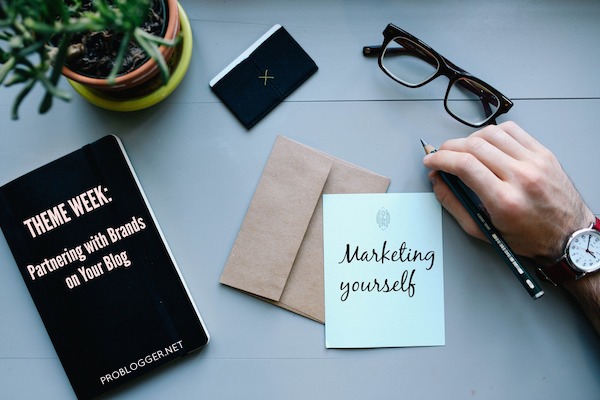
Are you a blogger who has thought of maybe doing some sponsored work on your blog, but are wondering where all the opportunities are? Do you see other bloggers collaborating with brands and think there must be some magic list you need to be on to have these opportunities land in your inbox?
Well there might be lists you can get on. But one of the best ways of getting yourself on a brand’s radar is to make the first move and to speak to them yourself. Be the person who starts that conversation about collaboration, and you’re well on your way to creating and cultivating long-standing blog-brand relationships.
But where to begin? Ah, let me help.
First Things First:
What do you represent?
Who are you? What is your blog about? In order to sell yourself to potential sponsors and advertisers, you need to know what you have to offer. What is your niche? What are your blog’s topics? Who are your readers? What is your essence? If you were to describe your blog to someone, what would you say? What kinds of things do you like to write about, and what kinds of things do you like to feature? Narrow down who and what you are.
What do you want?
Think about the types of brands you would like to partner with. Think about the ways in which you’d like to do that (We covered options in the earlier Ways to Collaborate and Earn an Income on Your Blog post). Think about the products and services you use and love every day, and would have no trouble recommending. Think about what your audience would benefit from.
Get all your ducks in a row:
Ensure you look consistent (and reasonably professional) across all the social media outlets you use. Maybe think about repeating your branding across all sites for continuity. Update them regularly, and ensure the information about you is current. Check your LinkedIn and make sure it’s up-to-date and informative.
Make A Move
The next step once you’ve done a little housekeeping, is to start the conversations. Reach out to brand representatives on Twitter. Find out if they have hired a PR agency, and who to speak to there. Find a contact in the brand’s marketing department, and target them. It’s best to find an actual person in charge of marketing decisions (and budgets!) rather than just throwing all your info at their social media and hoping something will stick. Pick up the phone and say you’ve got a great idea about collaborating with them, state your case simply, and offer to back it up with your media kit.
Things to keep in mind to make the best impact:
- Make it all about the brand. Too often I see posts that centre on what the blogger needs rather than what they can offer a potential sponsor. If that makes me tune out, imagine how it looks to someone who is considering finding legitimate and professional-looking bloggers to partner with. Detail what’s in it for them – they want a return on investment, as anyone would, and are looking for an attractive package that helps them get the word out about their product.
- Make it easy for them. Nobody wants to fish around for extra information you should have included in the initial stages. It’s likely they’ll pass on you in favour of someone who has provided everything they need to know in order to make their decisions. They might like you and intend to follow up, but get caught up elsewhere and forget… make it easy for them to choose you by giving them a well-thought-out plan, several options for campaigns, the obvious benefits to them, and perhaps an example where you’ve done something similar before and how well it went. Pretty much the only thing you want them to have to do after reading your pitch is say “yes”.
- Be positive. Your language and how you frame your pitch is incredibly important. Negative language is never going to be as convincing as a positively-worded pitch. Never run down competitors – theirs or yours.
- Be personal. Let the person know you’ve been interested in their brand for some time. Maybe mention in your opening email that you’ve held a membership at that gym for years, or you took that soap with you to the hospital when you had your baby.
- Be observant. If you follow your contact on Twitter or elsewhere, mention in your email their photos of their recent trip to Croatia were beautiful. Or you hear they’re coming to Melbourne next week and you recommend that little place on Lygon street for excellent coffee. A little friendly conversation about something you’ve noticed will be a welcome change to the standard pitches they receive a hundred times a day.
- Be organic. If you have blog buddies who have done work with the company, don’t be shy to ask for a contact, or an introduction. Do the same for other bloggers who might like to work with companies you have affiliated with. There’s much to be said for good blog karma – it gets you much further than being competitive, secretive, and sneaky.
- Be human. Remember there’s an actual person on the end of these conversations. Especially when they say no. Don’t get snarky, or petulant. Say thanks and maybe another time. Don’t burn your bridges!
Get Your Pitch in Their Hands:
Get together a brief media kit, type up a succinct, positive pitch, and email it to your brand. If you have a mega-huge campaign in mind, maybe take it one step further and send them a press release. There are plenty of examples online you can look at (I wouldn’t fill in the blanks of a template here), and customise to suit yourself. Find the person you to whom you need to send your pitch directly (by calling the brand’s information line, or asking whoever is manning their Twitter or Facebook accounts), and send it off. Or call them, explain your idea, and follow up with emailed information.
If you don’t hear from them, send them a follow-up email about a week later and ask if they received your initial email. Do not be a pain here, and keep your language friendly. Don’t ask them to make a decision on the spot, rather just serve as a discreet reminder you have contacted them. Maybe make an effort to chat on Twitter if they’ve been posting there.
Be Social
One of the easiest ways to get on brand radars is to interact with them on social media (with the added bonus of a higher chance of them having heard of you when it’s time to pitch!). If you’ve written about them on your blog, tag them in your tweets or Facebook status about the post. Tag them in your Instagram pictures showing you using the product, or how much you enjoy it. Comment on their status updates about the things they’re posting. What marketers are looking for is conversations around their product or service – facilitate that conversation. Be part of it.
Be Natural
It’s good to be keen, but don’t be desperate. Your readers only want your legitimate recommendations, and brands want people who recommend their product to be believable. Weave product mentions into your regular writing and build your readers’ trust. Don’t be one long advertorial – when you’re trying to market yourself as an expert in your area, or as a major influence in the brand’s target audience, it has to be infused with your personality and your humanity. That’s what gives blogging the edge over traditional forms of advertising. Do it well.
If you have any questions, I’m all ears – what would you like to know about approaching brands and marketing yourself to them?
Stacey Roberts is the Managing Editor of ProBlogger.net, and the blogger behind Veggie Mama. A writer, blogger, and full-time word nerd, she can be found making play-dough, reading The Cat in the Hat for the eleventh time, and avoiding the laundry. See evidence on Instagram here, on Facebook here, and twitter @veggie_mama.
Originally at: Blog Tips at ProBlogger
![Build a Better Blog in 31 Days]()
Partnering With Brands Theme Week: Marketing Yourself